Wondering whether Homewood is your kind of Tahoe? If you are drawn to the West Shore for its quieter pace, lake access, and mountain setting, Homewood may be exactly the kind of place that feels right. The key is knowing what daily life here actually looks like, what the housing mix tends to offer, and where the tradeoffs show up. Let’s dive in.
What Homewood feels like
Homewood is a Placer County community on the west shore of Lake Tahoe with a distinctly low-density residential pattern. Placer County’s Tahoe Basin planning framework identifies the Homewood/Residential Subdistrict as an area that should remain low density while evolving in a way that fits the character of the West Shore. In practical terms, that means you are looking at a shoreline neighborhood feel rather than a dense town center.
That setting shapes the experience of being here. Homewood tends to feel more residential, more tucked into the landscape, and more connected to recreation than to a busy commercial core. If you want a place that feels uncrowded and closely tied to the lake and mountains, that is a big part of the appeal.
The resort is also part of the story. TRPA approved amendments to the Homewood Mountain Resort Master Plan in January 2025, including a community access plan that keeps the resort open to the public. Homewood’s official messaging also emphasizes preserving the uncrowded experience that has long defined the area.
Why buyers are drawn to Homewood
For many buyers, Homewood stands out because it offers a rare combination of lake access and ski access in one small West Shore community. That balance gives you an outdoor-first lifestyle that can work for weekend getaways, longer seasonal stays, or full-time living. If your ideal Tahoe home is less about being in the middle of everything and more about being close to what you love to do outside, Homewood deserves a close look.
The mountain is a major anchor. Homewood Mountain Resort describes itself as a family-friendly resort with an intimate West Shore setting, 1,260 acres, 7 lifts, 66 runs, and wide Lake Tahoe views. As of the resort’s March 17, 2026 update, it was closed for the season and planning to reopen for winter operations.
Lake access is another strength. Ed Z’berg Sugar Pine Point State Park offers nearly 2 miles of lake frontage, beach access, hiking trails, and more than 20 kilometers of marked cross-country ski trails in winter. In Homewood itself, Obexer’s Boat Company provides a public marina, launch, and dry-storage facility on Lake Tahoe.
Outdoor access shapes daily life
In Homewood, recreation is not just a nice extra. It is part of the everyday rhythm. The surrounding West Shore network makes it easier to spend your free time on the lake, on trails, or on the mountain without needing to build your schedule around a busier destination area.
The bike and trail network adds a lot to the lifestyle. TRPA says the Homewood bike-and-pedestrian trail completed the missing link in the West Shore Bike Trail between Tahoe City and Sugar Pine State Park. That improvement supports safer travel along the west shore and gives you a non-motorized way to enjoy the area.
Nearby public access points also matter. Eagle Rock, about five miles south of Tahoe City on the west shore, is open to the public and was acquired to support recreation access. For buyers who want hiking, lake views, and a strong sense of place close at hand, that kind of access is a meaningful part of Homewood’s draw.
What homes in Homewood tend to look like
Homewood is shaped mostly by single-family housing. Placer County’s regulations for the Homewood/Residential Subdistrict call for low-density development and allow one single-family dwelling per parcel. Across Placer County’s Tahoe Basin, single-family homes make up the large majority of existing residential land use, with duplex, multifamily, and mobile-home categories accounting for much smaller shares.
That housing pattern supports the private, residential feel many buyers come here for. You are more likely to find homes with a cabin or mountain-house identity than a dense concentration of attached housing. The result is a market that can feel more personal and more varied from property to property.
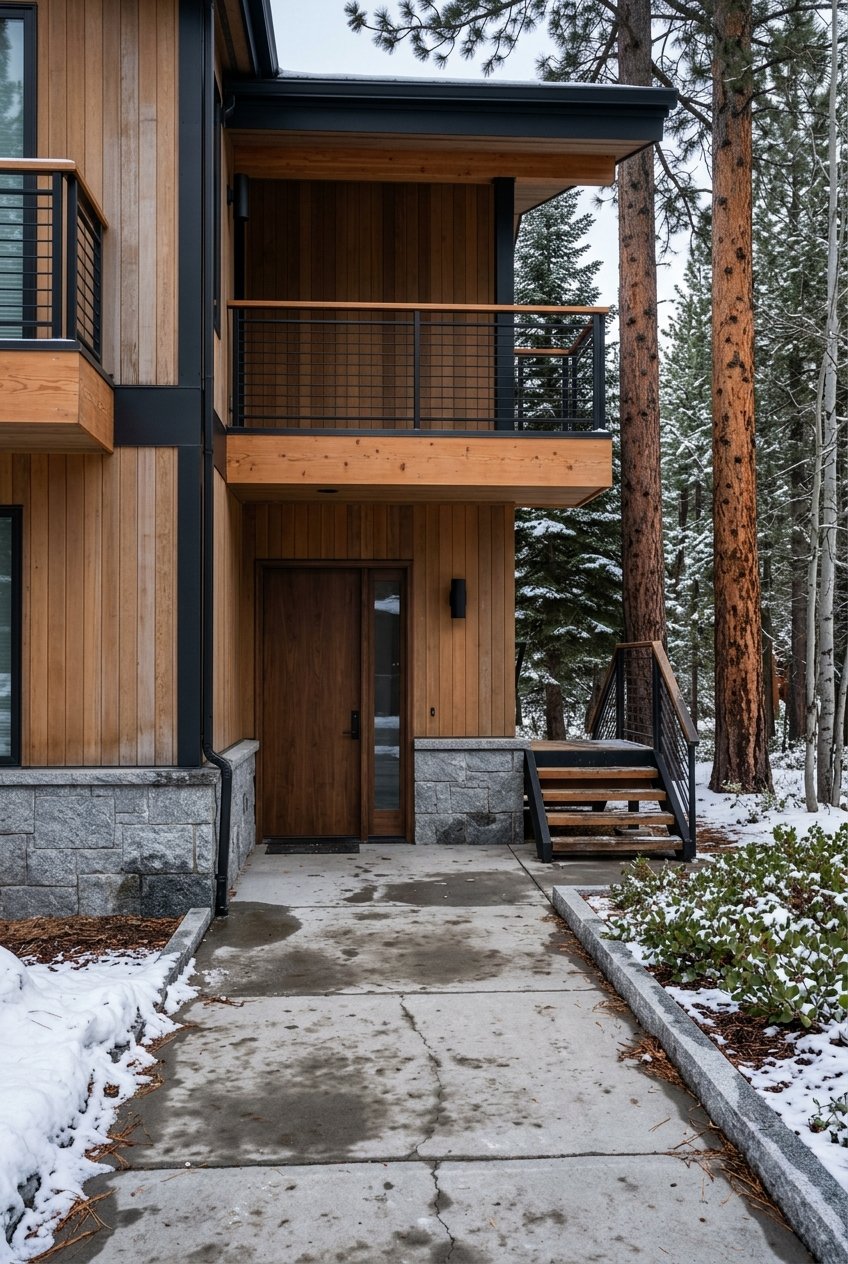
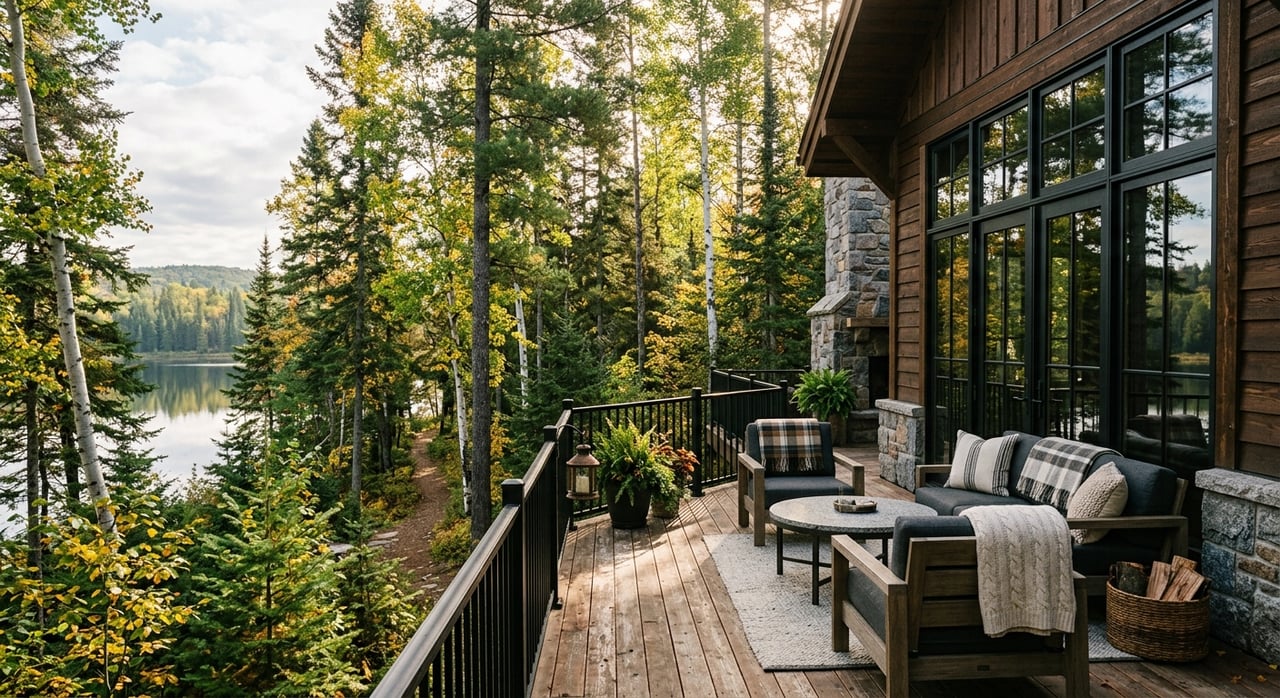
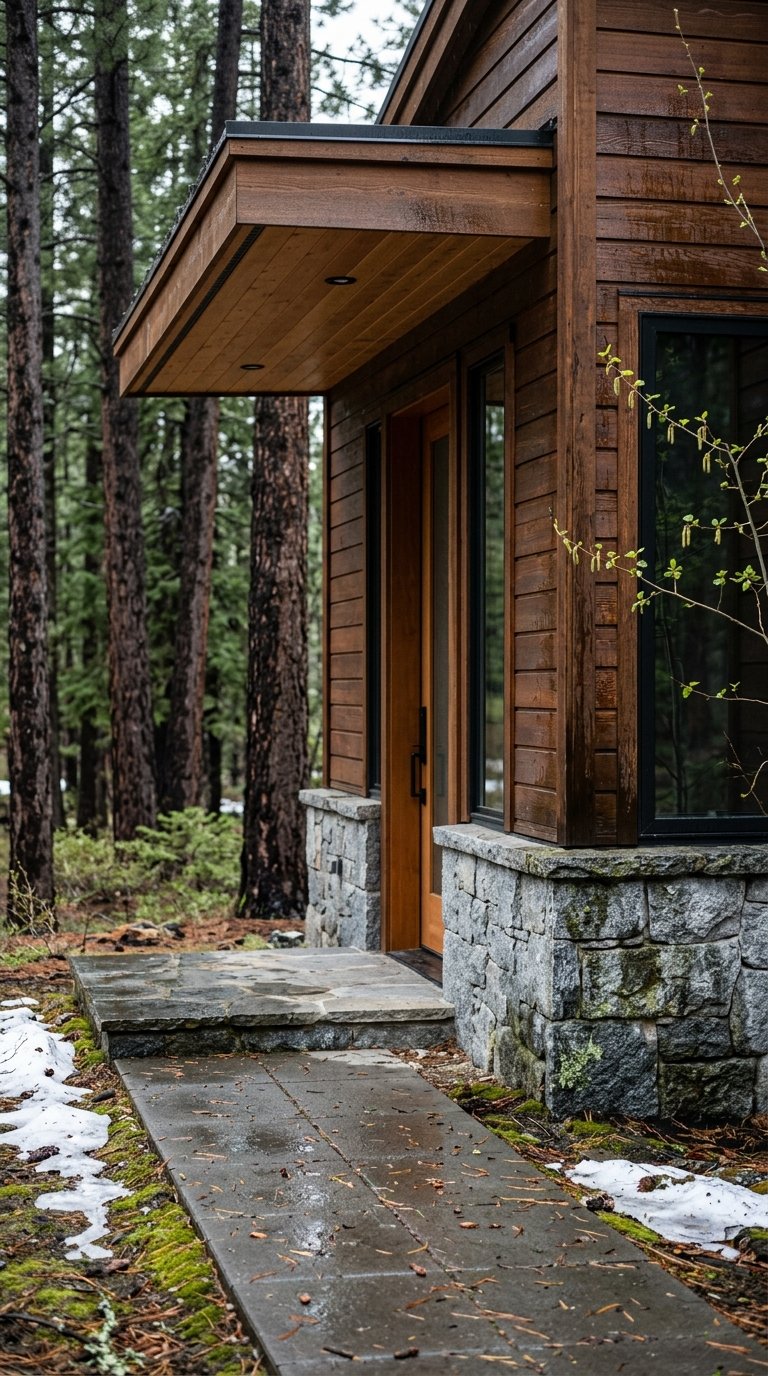
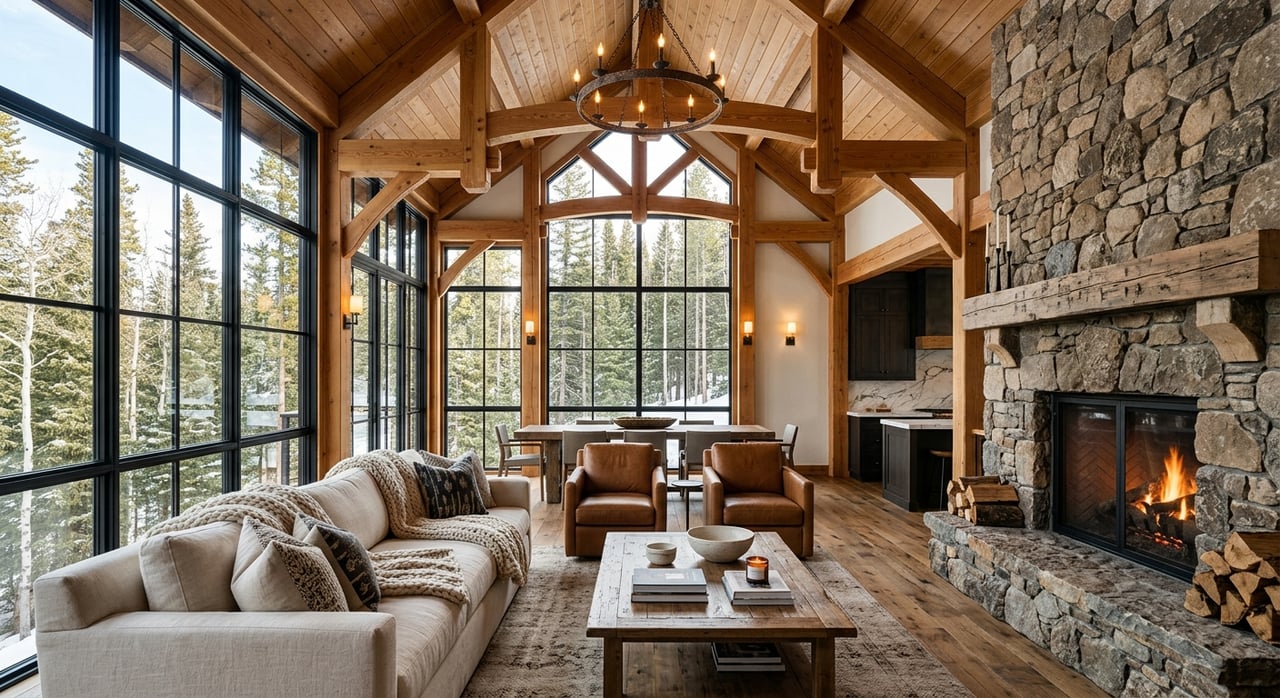
Current listing snapshots suggest a broad price and style range within that low-density setting. Available homes have included smaller lake-view properties in the low seven figures, larger lake-view or lake-adjacent homes in the multi-million-dollar range, and listings above $10 million. Styles also vary, from knotty-pine cabins with stone fireplaces to more modern lakefront homes with expansive glass and ski-in or ski-out cabins near the resort base.
Who Homewood fits best
Homewood tends to fit buyers who want Tahoe to feel restorative, scenic, and outdoor-centered. If you picture your time here around skiing, boating, trail days, and quieter evenings rather than around storefronts and a busy village scene, Homewood lines up well with that vision. It can be especially appealing for second-home buyers, lake-and-ski households, and full-time residents who place a high value on privacy and recreation access.
This is also a strong fit if you care about character over density. The planning framework, the resort setting, and the public recreation network all point toward a place where lifestyle leads. You may find that Homewood feels less like a base for constant errands and more like a base for how you want to spend your time.
For some buyers, that is exactly the point. A full-time resident may love the calmer setting. A second-home buyer may appreciate how quickly a weekend can shift into lake time, ski time, or trail time without much friction.
When Homewood may be less ideal
Homewood is not the best match for every buyer. If you want a denser village core, lots of retail close by, or a more built-up day-to-day environment, this may feel too quiet. The area’s appeal comes partly from what it does not try to be.
Winter logistics are another real consideration. California State Parks notes that High Sierra weather can change quickly and that chains or 4WD are frequently required in winter. If easy winter driving is one of your top priorities, it is worth thinking carefully about your comfort with mountain conditions before you buy.
Permitting can also feel more layered here than in a typical town setting. In the Tahoe Basin, permitting is handled through Placer County Planning Services together with TRPA, rather than through a city hall structure. If you are considering remodeling, expanding, or making major property changes, that extra layer should be part of your planning from the start.
Questions to ask before you buy in Homewood
Before you decide whether Homewood is the right fit, it helps to get clear on how you want to live in Tahoe. The right match usually comes down to lifestyle priorities more than square footage alone.
Ask yourself:
- Do you want stronger access to skiing, lake time, and trails than to shops and restaurants?
- Are you looking for a low-density residential setting with more privacy?
- Would you use the home mostly as a second home, a retreat, or a full-time residence?
- Are you comfortable with winter driving conditions and seasonal mountain logistics?
- If you want to remodel, are you prepared for Tahoe Basin permitting through Placer County and TRPA?
If your answers lean toward privacy, recreation, and a calmer West Shore pace, Homewood may be a very natural fit. If you need more convenience, density, or simpler year-round logistics, another Tahoe area may serve you better.
Why local guidance matters in Homewood
A place like Homewood rewards local context. Two homes can both be in Homewood and still offer very different experiences depending on access, setting, lake orientation, winter ease, and proximity to recreation. That is why it helps to work with someone who understands not just the listings, but the rhythm of the West Shore.
For buyers, that means filtering options through the lifestyle you actually want. For sellers, it means presenting the property with the right story, especially in a market where recreation access, privacy, and seasonal considerations carry real weight. In a nuanced area like Homewood, thoughtful guidance can make the process feel much clearer.
If you are thinking about buying or selling on the West Shore, Ricki Manahan offers the kind of local insight and calm, personalized support that can help you move with confidence.
FAQs
Is Homewood a quiet area on Lake Tahoe’s West Shore?
- Yes. Homewood is planned as a low-density residential area in Placer County’s Tahoe Basin framework, which supports a quieter shoreline feel rather than a dense commercial setting.
What kind of homes are common in Homewood, California?
- Homewood is mostly shaped by single-family homes, with a range that can include classic cabins, lake-view homes, lake-adjacent properties, and higher-end luxury homes.
Is Homewood a good fit for a second home in Tahoe?
- It can be. Homewood tends to appeal to second-home buyers who want easy access to skiing, lake recreation, trails, and a more private West Shore setting.
What should buyers know about winter in Homewood?
- Winter conditions can change quickly in the High Sierra, and chains or 4WD are often required. Buyers should factor snow access and driving comfort into their decision.
Are permits in Homewood handled locally in Placer County?
- Yes. In the Tahoe Basin, permitting involves Placer County Planning Services together with TRPA, so buyers planning updates or remodels should account for that process early.
Does Homewood have public lake and trail access?
- Yes. The area benefits from public recreation access through places like Sugar Pine Point State Park, Obexer’s Boat Company, Eagle Rock, and the West Shore bike-and-pedestrian trail.